

Where Training Meets Purpose
By Maryann Makosiej, MPH
DVM Candidate 2026
Tufts University Cummings School of Veterinary Medicine
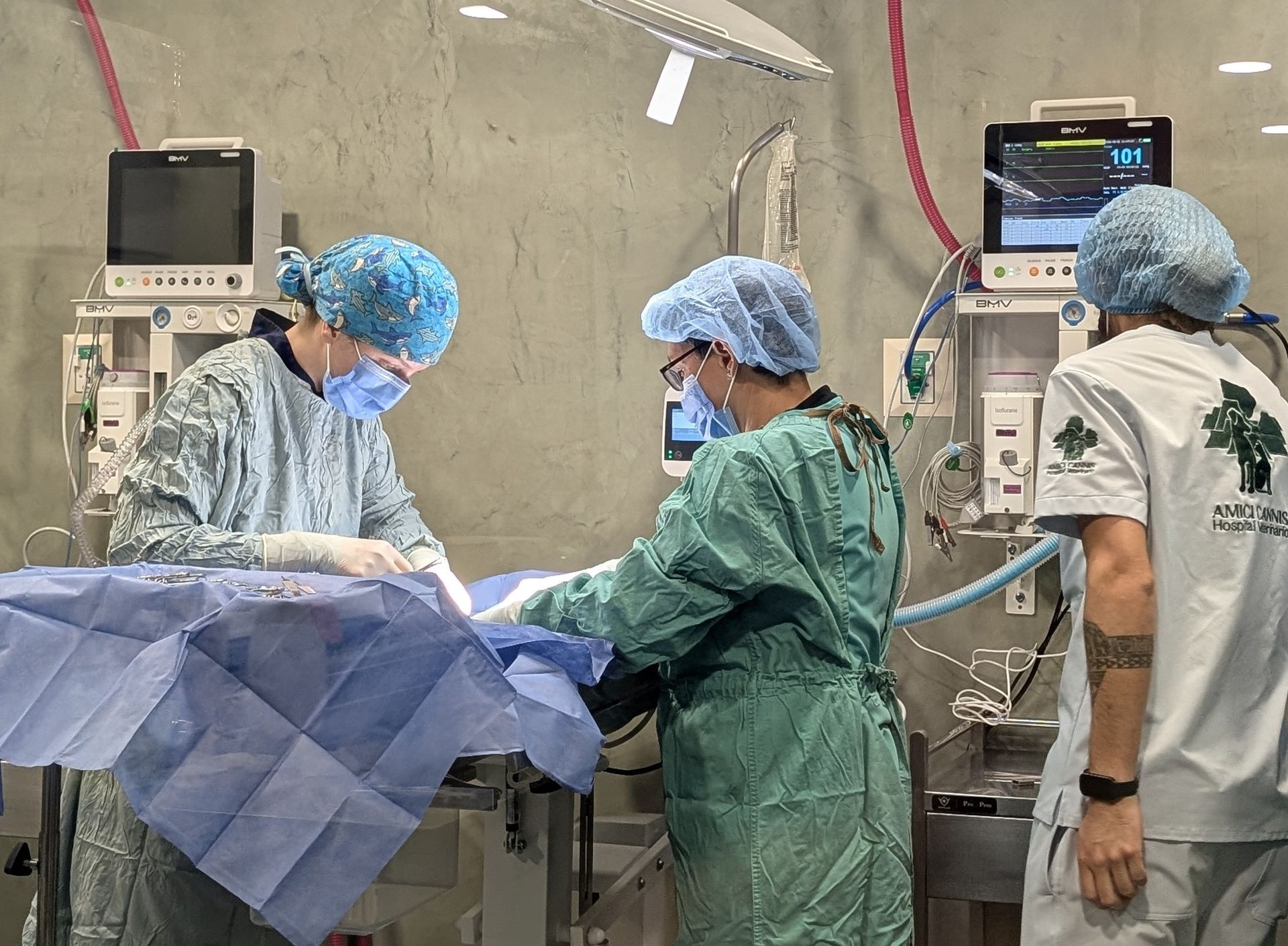
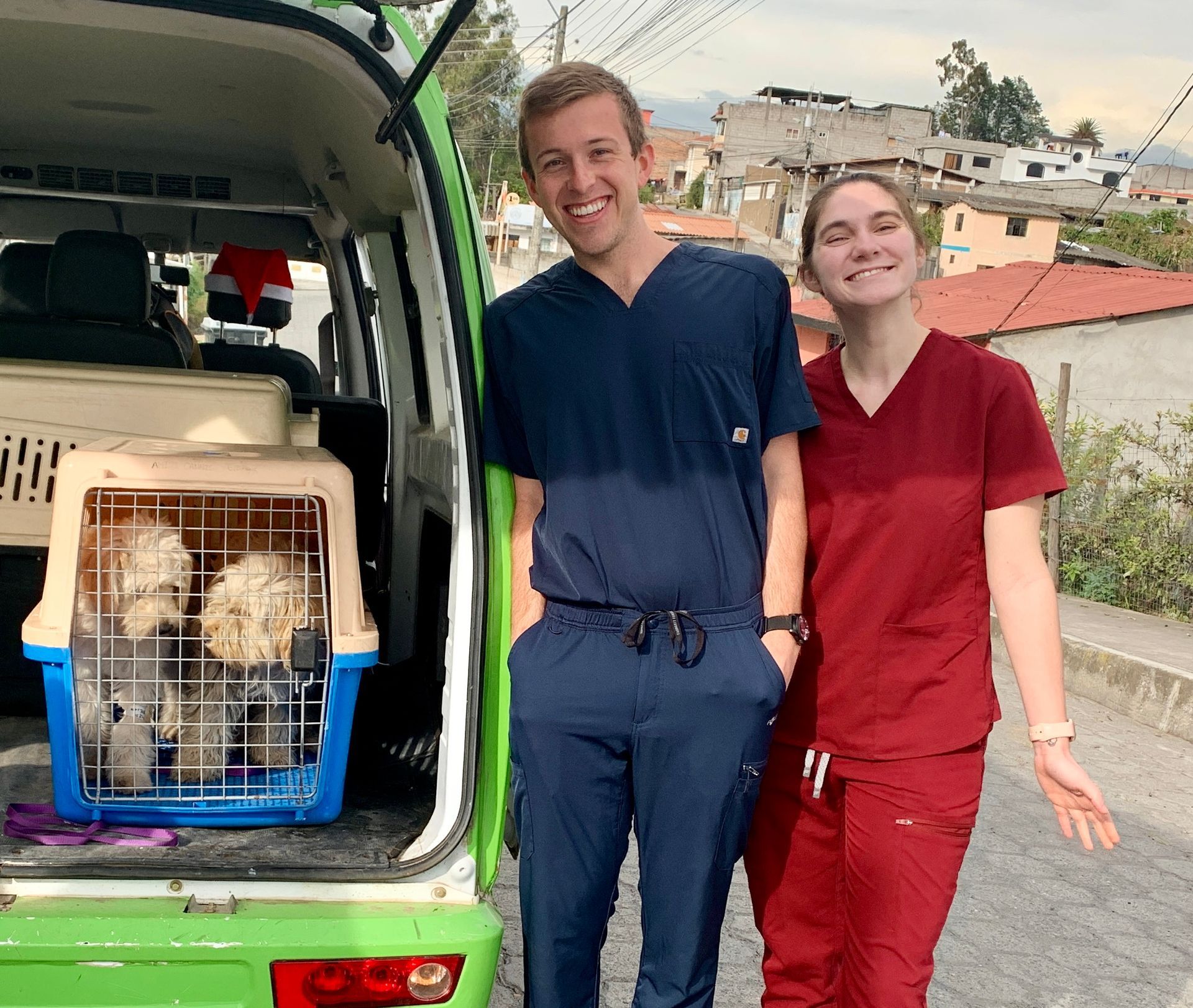
The intention of this externship, at least on paper, was simple. I, alongside fellow students and alumni, would travel to rural Ecuador to learn more deeply about and provide high-quality veterinary care . And we did. The Amici Cannis hospital is brand-new. It is a beautiful facility, equipped with resources that would rival or exceed many of those in the United States. In some places, you can smell the fresh paint. Day after day, we each performed many spays and neuters on patients from Cotacachi and the surrounding communities. In such a beautiful place, we were lucky to be able to teach our hands the rhythm and intricacies of surgery.
We were meant to learn how to do spays and neuters. The truth is that we learned much more than that.
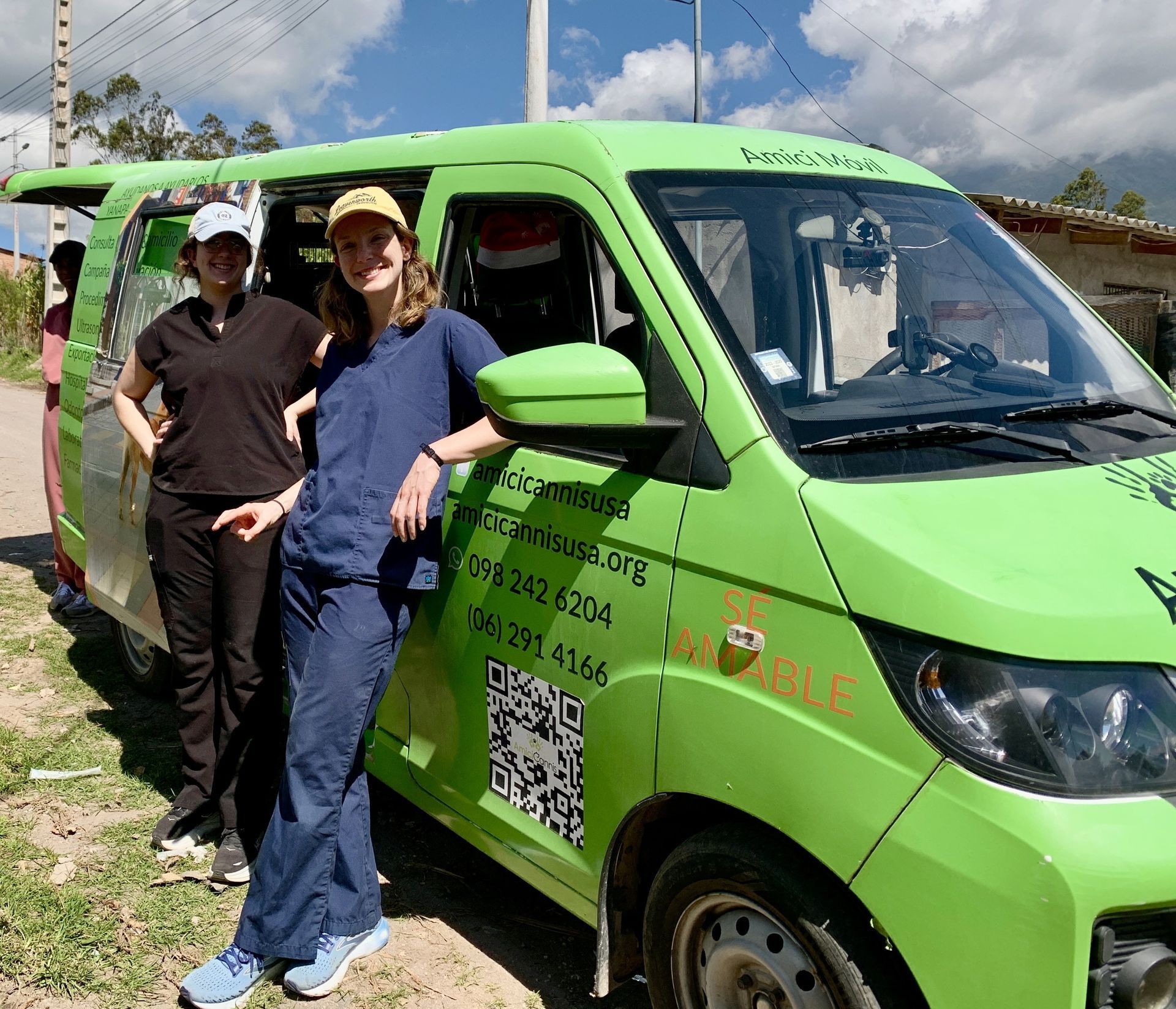
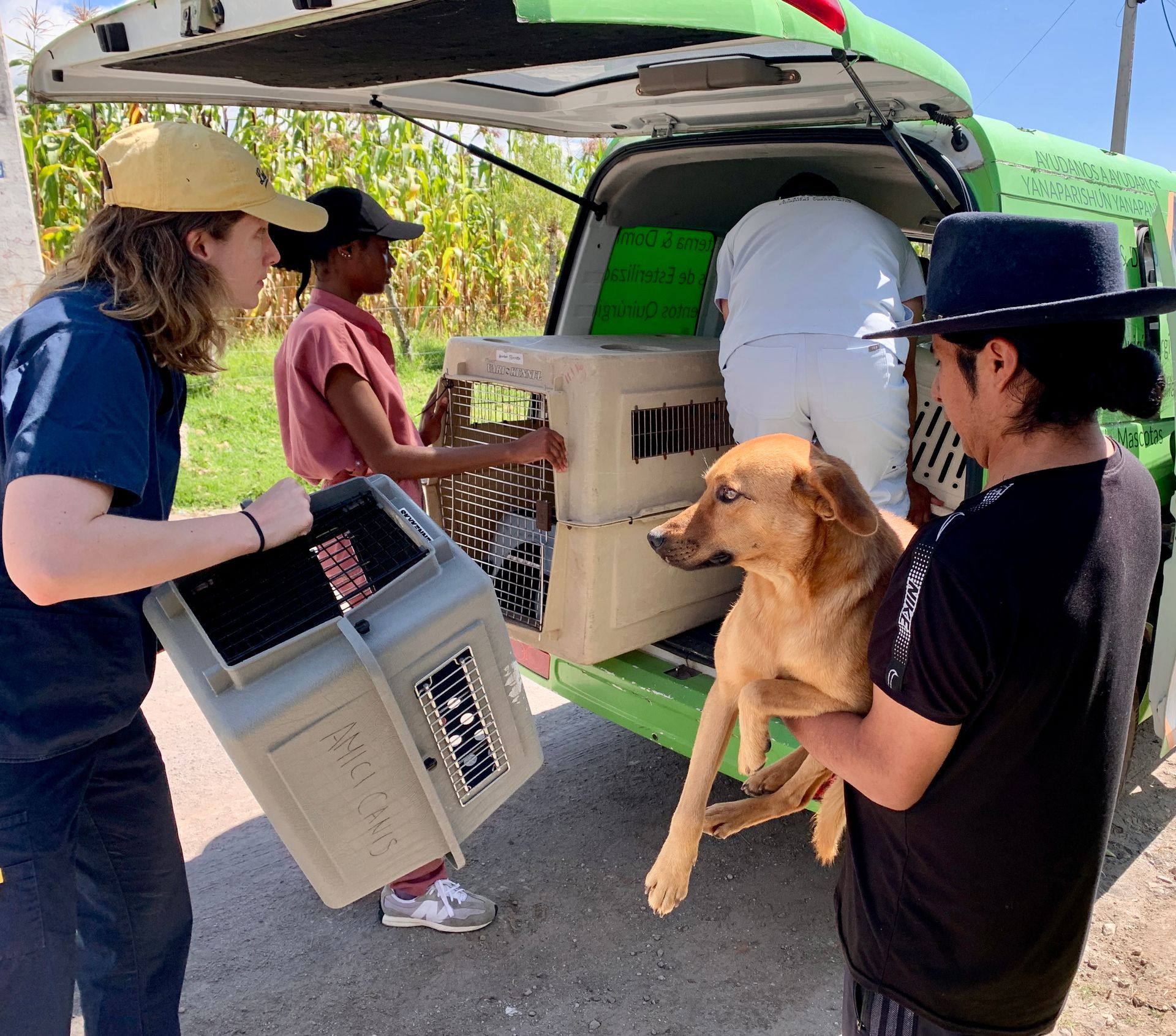
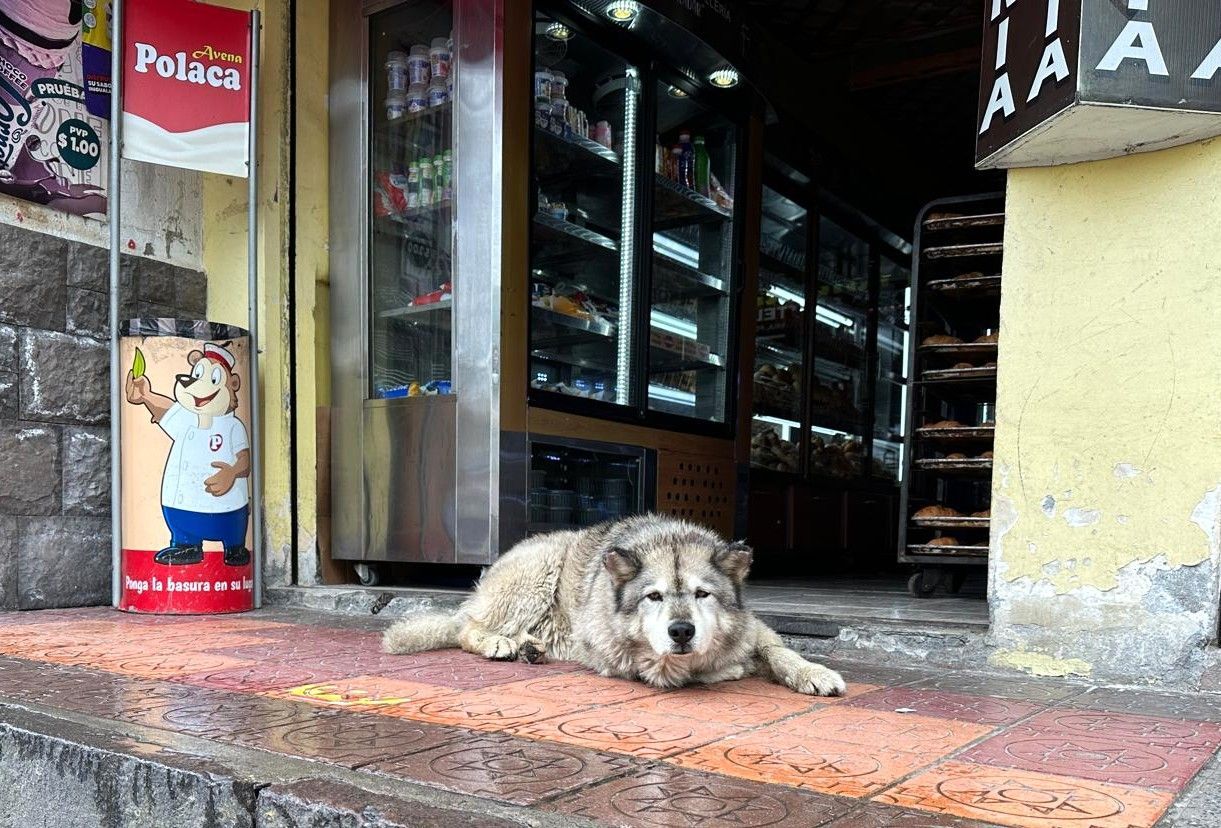
According to Ecuador's National Statistics Agency, 21.4% of Ecuadorians live in poverty1. In rural communities like Imantag which surround the town that Amici Cannis is in, the number jumps to 94.87%2 . In our daily van rides to find our patients, we saw it. In our conversations with members of the indigenous communities, we heard it. The lack of clean water, electricity. The flea infestations. The overpopulation of community animals. The dirt floor homes. The tarp roofs. The stunning poverty. And us, face-to-face with a question – in this context, what did it mean to provide high-quality veterinary care? In the face of so many barriers, what did that even mean?
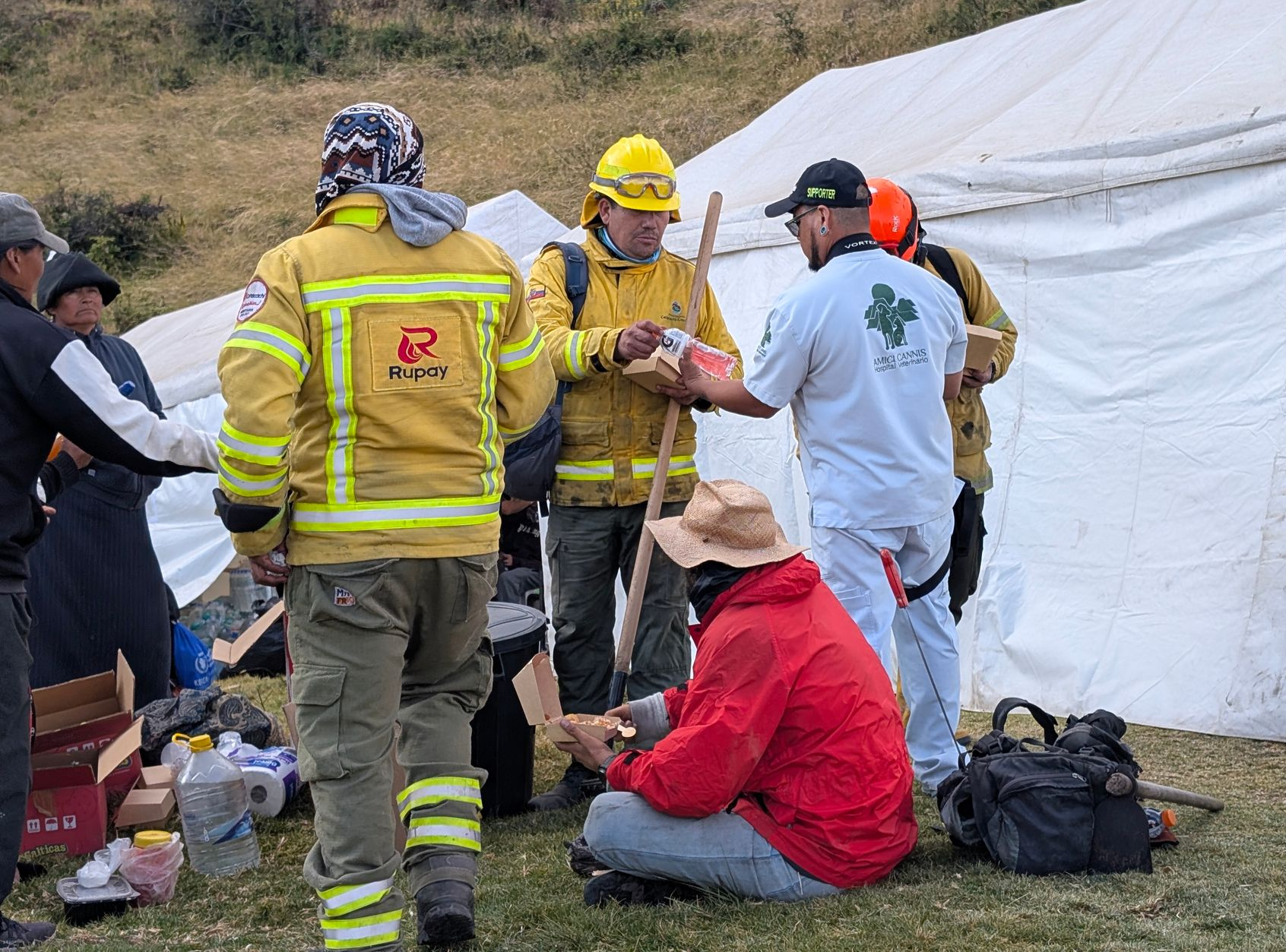
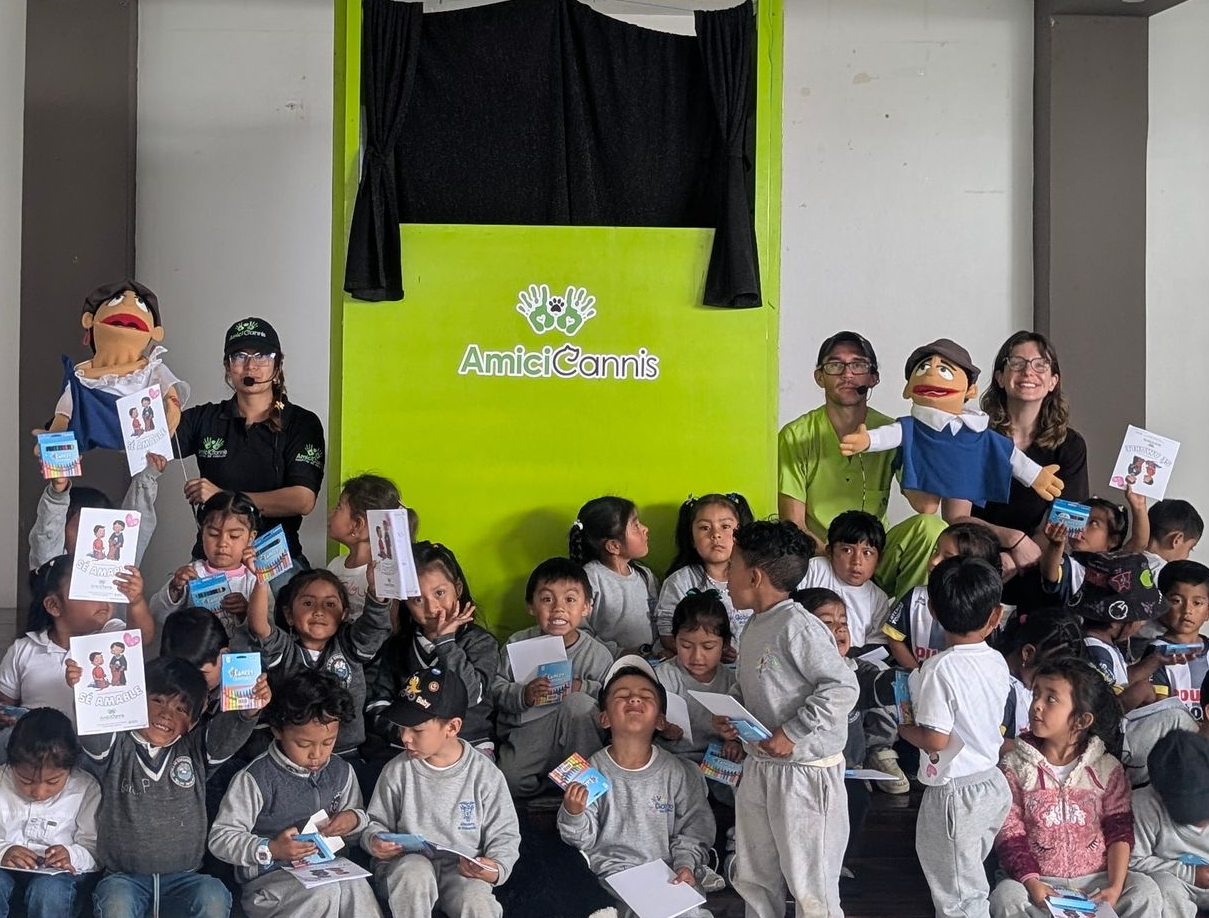
To me, the great power of this externship lived in the answers to those questions. Amici Cannis impacted my life because it reinforced the power of community partnership and simple intervention to improve the health of pets, people, and the environments that they live in. We went to a community every day with a team member who was Ecuadorian and often grew up or lived there. Each animal under our care received safe, simple sterilization surgery, preventing unwanted litters, improving individual long-term health, and reducing roaming, fighting, and the spread of disease. Our patients additionally received anti-parasitic and anti-flea medication, a simple act that improved their quality of life. We listened to the families of our patients, glimpsed their lives intertwined. In surgery, we spoke Spanish and English with Tufts alumni and Ecuadorian teammates to work towards our common goals. Outside of surgery days, every student participated in the educational community outreach program meant to teach about the benefits of sterilization and the humane treatment of animals. Day by day, I came to understand that true partnership is high-quality veterinary care, and it can transform the well-being of not only patients and the communities that they call home but ours as well. Even through the simplest acts, we each have the capacity to affect another.
Yes, I learned to spay and neuter. But the truth is that through Amici Cannis, I lived, breathed, and learned through the lens of community health and One Health. In turn, I broadened my view of the rooms and conversations that I think a veterinarian ought to be in. In addition to surgery, that’s the real lesson I’ll bring with me through my career.
On a bright Sunday in the middle of May not so far from today, us veterinary students will stand on a stage and recite an oath. We will swear to use our scientific knowledge and skills to benefit society, promote public health, and practice our profession with conscientiousness and dignity. After Amici Cannis, I ask myself: which society? And what does it mean to benefit it?
1. Instituto Nacional de Estadística y Censos (INEC). (2025). Encuesta Nacional de Empleo, Desempleo y Subempleo (ENEMDU), diciembre 2025. https://www.ecuadorencifras.gob.ec
2. Subía Carrera, A. C. (2019). Análisis de la pobreza por necesidades básicas insatisfechas en el cantón Cotacachi (Tesis de grado, Instituto de Altos Estudios Nacionales). https://repositorio.iaen.edu.ec/handle/24000/5122